Succulents are supposed to be easy. That's what every plant shop tag will tell you. "Low maintenance! Perfect for beginners! Nearly indestructible!" And yet, my first six months with succulents were a graveyard of mushy leaves and etiolated stems.
Here are the five mistakes I made, and what I learned from each one.
Mistake #1: Loving Them Too Much (Overwatering)
This is the number one succulent killer, and I was a serial offender. I watered on a schedule - every Sunday, religiously. The problem? Succulents store water in their leaves and stems. They don't need frequent drinks; they need to dry out completely between waterings.
The fix: Water only when the soil is completely dry and the leaves start to feel slightly soft. In winter, some succulents barely need water at all.
Mistake #2: Using the Wrong Soil
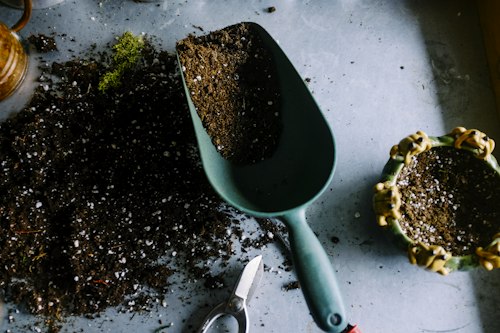
I planted my succulents in standard potting mix - the same stuff I used for my ferns and pothos. This is like putting a cactus in a swamp. Regular potting soil holds too much moisture, leading to root rot.
The fix: Use a dedicated succulent or cactus mix, or make your own by mixing standard potting soil with equal parts perlite or pumice.
Mistake #3: Not Enough Light
I placed my succulents on a bookshelf across the room from a window. They responded by stretching toward the light, growing long, leggy stems with widely spaced leaves - a condition called etiolation.
The fix: Most succulents need several hours of direct sun daily. A south-facing windowsill is ideal.
Acclimatize Gradually
If your succulents have been in low light, don't move them directly into full sun. Introduce them gradually over a week or two to prevent sunburn.
Mistake #4: Pots Without Drainage
Those cute ceramic pots without drainage holes? They're succulent death traps. Without drainage, water pools at the bottom, creating a swampy environment that rots roots within days.
The fix: Always use pots with drainage holes. If you love a pot without holes, keep the plant in a plastic nursery pot and set it inside the decorative pot.
Mistake #5: Ignoring the Seasons
I treated my succulents the same way year-round. But many succulents have distinct growing and resting periods. During their active growing season, they need more water and fertilizer. During dormancy, they need very little.
The fix: Research your specific succulents to understand their growth cycles, and adjust your care accordingly.
"The best thing about succulents is that they forgive you. Eventually."
- Every plant parent who's learned the hard way