Most people see the winter garden as an empty space - a blank page between autumn's last act and spring's opening number. But look closer, and you'll find that the winter garden has its own quiet beauty.
The Architecture of the Garden
When leaves fall and perennials die back, the underlying structure of the garden is revealed. The sweep of a stone path, the curve of a hedge, the branching pattern of a bare deciduous tree - these are the bones of the garden, and they're often more beautiful than we realize.
Winter is the time to assess your garden's structure. If it looks barren now, that's valuable information. Consider adding evergreens, structural plants, or hardscaping.
Winter Bloomers
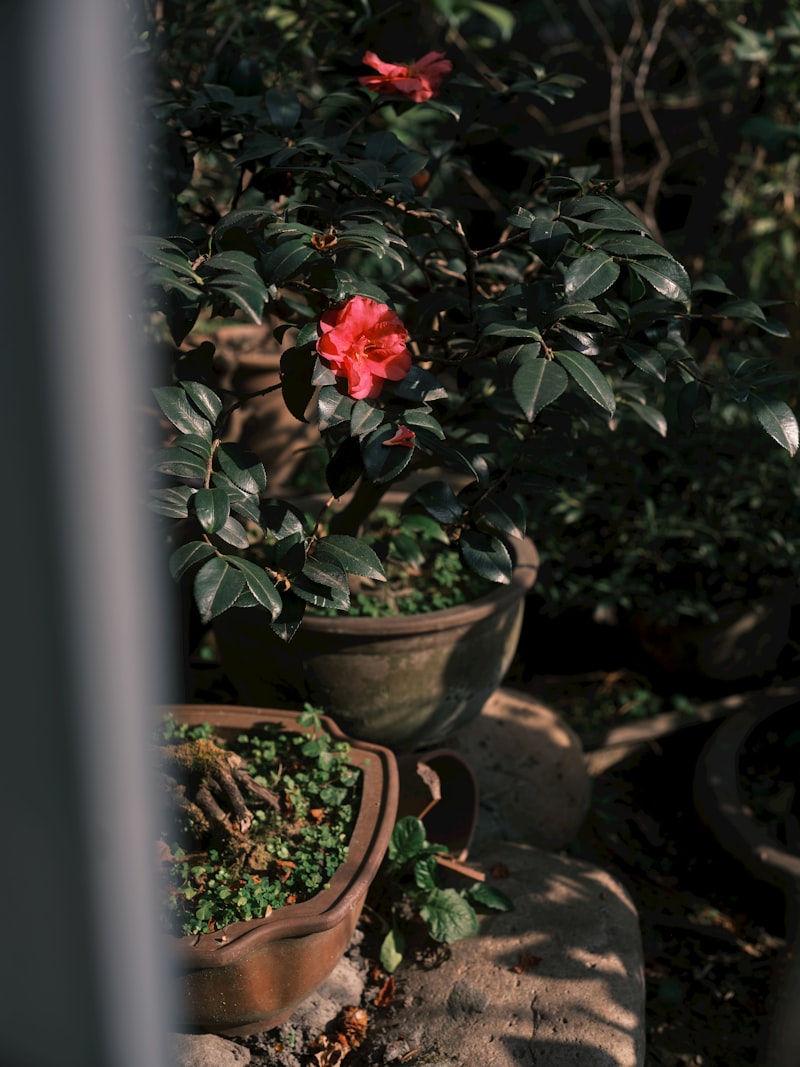
- Camellia: Glossy evergreen leaves and elegant flowers from late fall through spring.
- Witch Hazel: Spidery, fragrant flowers in yellow, orange, or red on bare branches.
- Winter Jasmine: Cheerful yellow flowers on bare green stems.
- Snowdrops: The first bulbs to appear, often pushing through snow.
- Hellebores: Nodding flowers in muted tones that last for months.
The Beauty of Seed Heads
Before you cut back perennials in autumn, consider leaving some seed heads standing. The dried flower heads of hydrangeas, ornamental alliums, and sedum look magical when dusted with frost.
They also provide food for birds and overwintering habitat for beneficial insects.
Frost Photography
On frosty mornings, get outside early with your camera. The way frost outlines every edge and seed head transforms the garden into a crystalline wonderland.
A Garden at Rest
There's a Japanese concept, ma, which roughly translates to "the space between" - the pauses that give meaning to what surrounds them. The winter garden is the ma of the gardening year. It's the pause that makes spring's arrival so breathtaking.
So bundle up, step outside, and look. The garden is still there, still beautiful - just speaking in a quieter voice.
"In the depth of winter, I finally learned that within me there lay an invincible summer."
- Albert Camus