Your bedroom should be a sanctuary - a place of rest, renewal, and calm. Adding plants to this space does more than beautify it. Certain species can purify the air, increase humidity, and create a sense of tranquility that promotes better sleep.
The Air-Purifying Champions
- Snake Plant (Sansevieria): One of the few plants that converts CO2 to oxygen at night, making it an ideal bedroom companion.
- Spider Plant: Easy to grow and effective at removing formaldehyde.
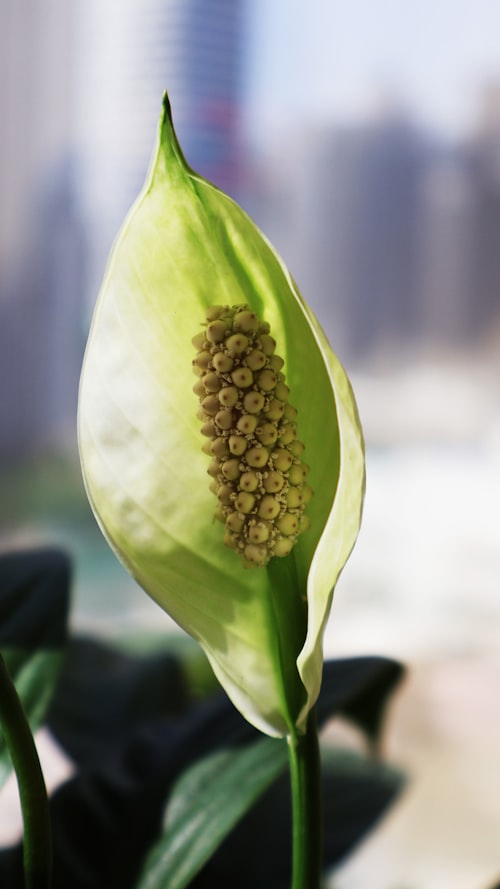
- Peace Lily: Tackles multiple pollutants and thrives in low light.
- English Ivy: Particularly effective at reducing airborne mold spores.
Plants That Promote Relaxation
- Lavender: The quintessential sleep scent. Research suggests lavender aroma can improve sleep quality.
- Jasmine: Its sweet fragrance has been shown to reduce anxiety and improve sleep quality.
- Aloe Vera: Another nighttime oxygen producer that's virtually indestructible.
- Pothos: A trailing vine that softens the room's edges and asks almost nothing in return.
Low Light Solutions
Bedrooms often have limited natural light. Choose plants that tolerate low conditions: snake plant, pothos, ZZ plant, peace lily, and cast iron plant. Rotate them to a brighter spot every few weeks.
Arranging Your Bedroom Garden
Aim for 2-4 plants in an average-sized bedroom. Place the tallest on the floor in a corner, a trailing pothos on a high shelf, and a lavender or jasmine on the nightstand. This creates visual interest at different heights.
Avoid overcrowding - plants need airflow to stay healthy, and a cluttered room doesn't promote rest.
A Few Precautions
If you have pets, check that your chosen plants are non-toxic. Many common houseplants (including peace lily and snake plant) can be harmful if ingested by cats or dogs.
"Sleep is the best meditation."
- Dalai Lama