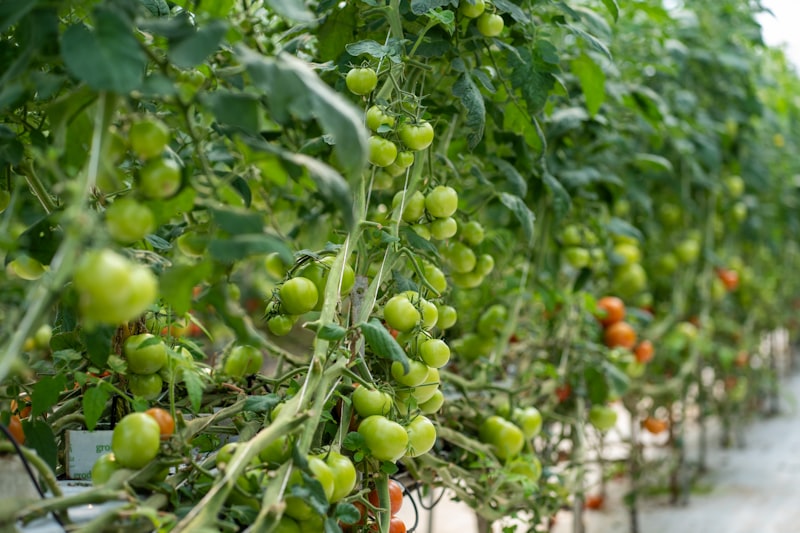
I still remember the moment. A warm August afternoon, the garden humming with bees, and there it was - my first ripe tomato. Sun Gold, glowing orange on the vine like a small sun itself. I picked it, still warm, and ate it right there in the garden.
It was the best tomato I'd ever tasted. And I say that knowing full well that objectivity had left the building.
Starting from Scratch
I knew nothing about vegetable gardening when I started. I bought seedlings from the farmers' market, chose a sunny spot, dug in some compost, and hoped for the best.
What Worked
- Starting with seedlings instead of seeds: Buying established plants gave me a head start.
- Choosing cherry tomatoes: They're forgiving, productive, and ripen early.
- Staking from the start: I set up cages when I planted, avoiding the messy task of wrangling overgrown vines later.
- Mulching heavily: A thick layer of straw prevented weeds and retained moisture.
What I'd Do Differently
- Plant fewer varieties: I grew six types. Two would have been plenty for a beginner.
- Water more consistently: Cracked fruits and blossom end rot were the result of uneven watering.
- Prune suckers: Those little shoots between branches divert energy from fruit production.
The Calcium Connection
Blossom end rot (dark, sunken patches on the bottom of tomatoes) isn't a disease - it's a calcium deficiency often caused by irregular watering. Add crushed eggshells to the planting hole for insurance.
The Harvest
From four plants, I harvested over 200 cherry tomatoes and about 30 larger slicing tomatoes. Every single fruit felt like a miracle.
There's a primal satisfaction in growing food that no store-bought tomato can replicate. You taste the sunshine, the rain, and your own effort in every bite.
"The tomato is the world's most popular fruit, and the only one that improves with a little sweat equity."
- An old gardener's saying