In the Victorian era, when propriety forbade direct expression of certain emotions, flowers became a secret language. A red rose delivered a message that lips could not speak. A sprig of rosemary said "remember me." This language - called floriography - adds a rich layer of meaning to the flowers we grow and give.
Flowers and Their Meanings
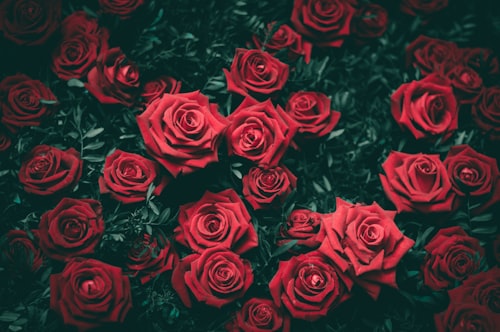
- Red Rose: Love, passion, desire
- White Rose: Purity, innocence, new beginnings
- Pink Rose: Gratitude, admiration, grace
- Lavender: Devotion, serenity, calm
- Sunflower: Adoration, loyalty, longevity
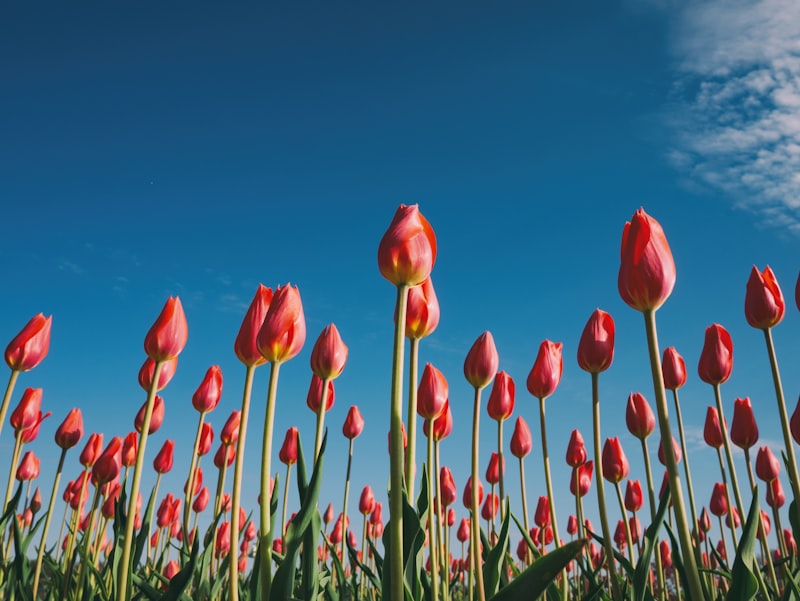
- Tulip (red): Declaration of love
- Tulip (yellow): Cheerful thoughts, sunshine
- Orchid: Rare beauty, luxury, strength
- Daisy: Innocence, loyal love, purity
- Peony: Prosperity, happy marriage, compassion
The Darker Side of Floriography
- Yellow Carnation: Disappointment, rejection
- Striped Carnation: "I'm sorry, but I cannot be with you"
- Marigold: Grief, jealousy, cruelty
Context and culture matter enormously. The same flower can carry opposite meanings in different traditions.
Compose Your Own Message
Create a tussie-mussie - a small Victorian-style nosegay where each flower carries meaning. A red rose (love) surrounded by baby's breath (everlasting love) and rosemary (remembrance) says: "I will love you forever and always remember you."
Modern Floriography
While we no longer need flowers to say what we cannot, the practice of choosing blooms with intention remains powerful. A sympathy bouquet of white lilies and rosemary speaks more eloquently than any card.
Your garden, too, speaks its own language - of patience, care, and the quiet conversation between human hands and the living earth. What is yours saying?
"Flowers are the poetry of earth, as stars are the poetry of heaven."
- Edwin Curran