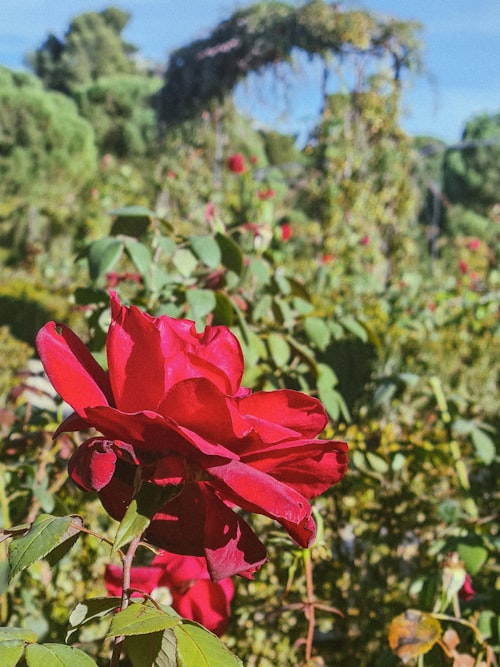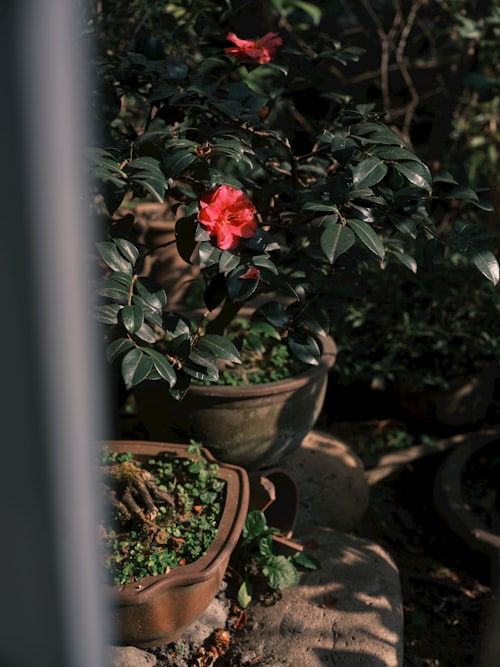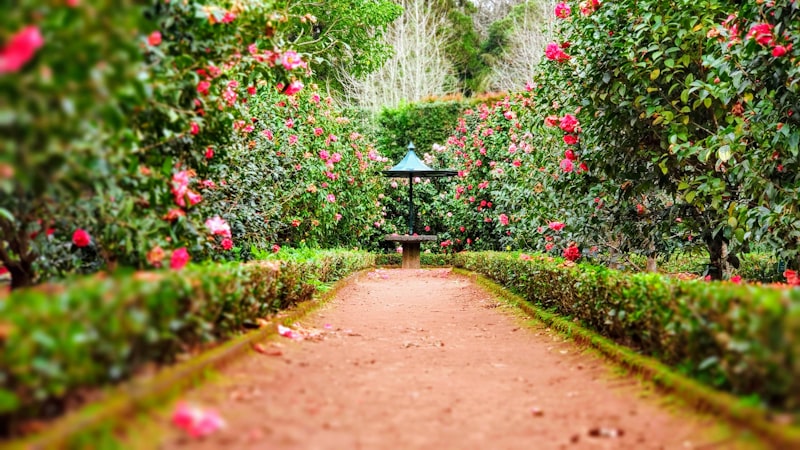
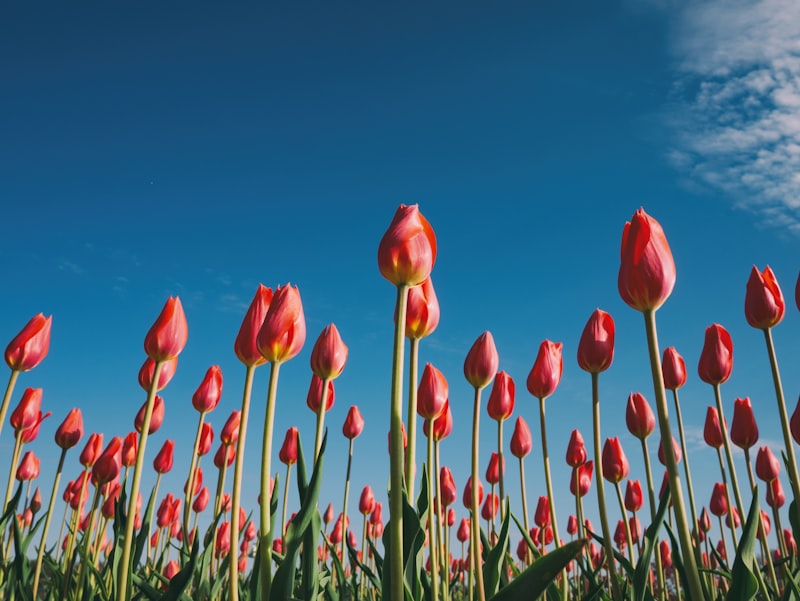
There's a particular kind of magic that happens in the garden each spring. It's not sudden — it's gradual, almost imperceptible at first. A bud swells here, a shoot emerges there, and before you know it, the entire landscape has transformed from brown and gray into a tapestry of green.
The First Signs
For me, spring doesn't arrive on the calendar date. It arrives the morning I step outside with my coffee and notice that the soil has that distinct, earthy smell again — alive, after months of frozen silence. It's the morning the first crocus pushes through the last of the snow, a tiny purple flag of defiance against winter.
These early signs are your cue to start paying attention. The garden is waking up, and it needs your help to make the transition from dormancy to its full glory.
Cleaning Up Without Over-Cleaning
One of the biggest mistakes eager gardeners make in spring is being too tidy. Yes, you need to clear away winter debris, but proceed with caution. Those dried leaves and stems you're tempted to remove? They're sheltering overwintering beneficial insects, butterfly chrysalises, and solitary bee nests.
Gentle Approach
Wait until daytime temperatures consistently reach 50°F (10°C) before major cleanup. This gives overwintering insects time to emerge. Rake gently and check for signs of life before composting.
Pruning with Purpose
Early spring is prime pruning time for many plants, but not all. The rule of thumb is simple: prune spring-flowering shrubs after they bloom (lilacs, forsythia, rhododendrons), and prune summer-blooming shrubs before new growth begins (roses, butterfly bush, hydrangeas that bloom on new wood).
When pruning, always start by removing dead, damaged, or diseased wood. Then step back and look at the plant's overall shape before making any more cuts. Less is often more — you can always cut more, but you can't put it back.
Preparing Your Soil
Before you plant a single thing, invest time in your soil. It's the foundation of everything that will grow. Once the ground has thawed and dried enough to work without creating mud:
- Add a 2-3 inch layer of compost to garden beds
- Work in slow-release organic fertilizer around established plants
- Test soil pH if you haven't in the past three years
- Top-dress containers with fresh potting mix
What to Plant Now
Patience is a virtue in spring gardening. Just because the garden center is selling tomatoes doesn't mean it's time to plant them. Focus on cold-hardy options first:
- Cool-season vegetables: Peas, lettuce, spinach, radishes, and kale can go in the ground as soon as soil is workable
- Hardy annuals: Pansies, snapdragons, and calendula tolerate light frost
- Bare-root perennials: Plant them early so roots establish before the heat arrives
- Summer bulbs: Start dahlias and cannas indoors for transplanting after the last frost
The Joy of Starting Seeds
Perhaps my favorite spring ritual is starting seeds indoors. There's something deeply hopeful about pressing a tiny seed into moist soil and knowing that in a few weeks, a living plant will emerge. It feels like participating in creation itself.
Set up a simple seed-starting station with a sunny window or grow lights, seed-starting mix, and trays with drainage. Label everything — future you will be grateful. And don't start too early; leggy, overgrown seedlings are harder to transplant than compact, healthy ones.
"Spring work is going on with joyful enthusiasm, the springing of the year, which thrills us all, the renewal of the garden and of the heart."
— John Burroughs
Embracing the Season
Spring in the garden is not just about tasks and to-do lists. It's about showing up, paying attention, and being present for one of nature's most miraculous performances. Take time to simply observe — watch how the light changes through the emerging canopy, notice which pollinators visit the earliest blooms, feel the warmth of the soil between your fingers.
This is what gardening is really about. Not perfection, not productivity, but connection. Connection to the earth, to the seasons, and to the quiet rhythm of growth that has been happening for millennia before us and will continue long after.
Happy spring, fellow gardeners. May your soil be rich, your seeds be strong, and your days be filled with the simple joy of watching things grow.