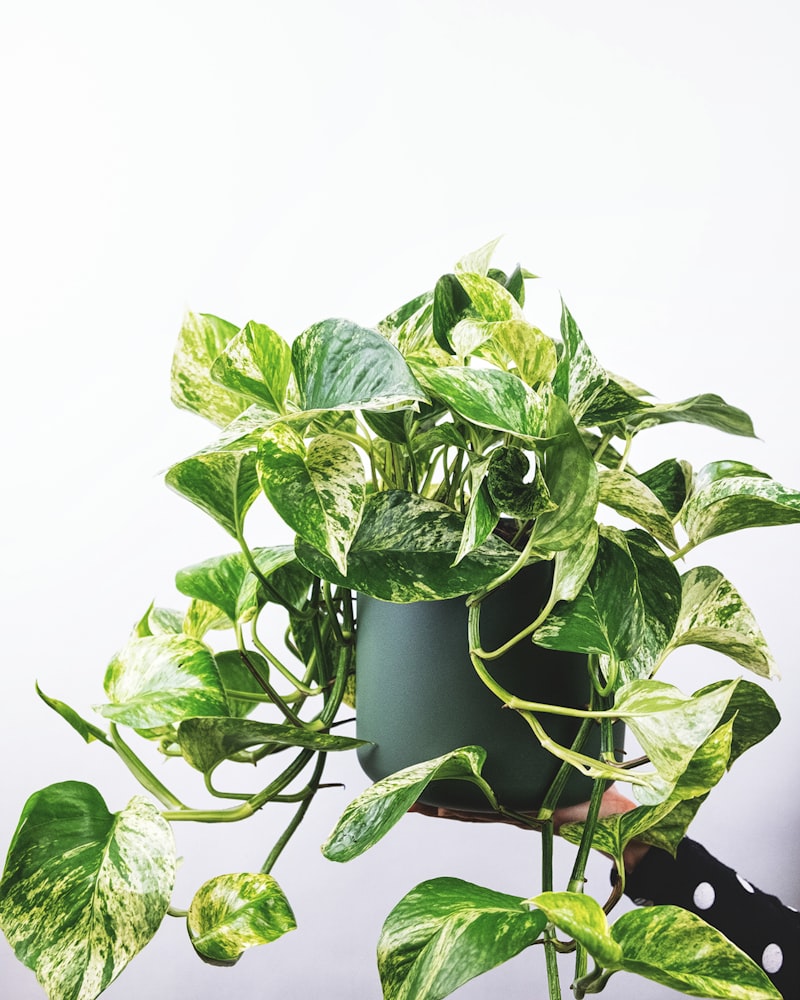
Of all the skills a plant parent can learn, propagation is the most magical. You take a piece of one plant, give it the right conditions, and it becomes an entirely new living thing. It feels like alchemy - and it's easier than you think.
Three Methods of Propagation
1. Stem Cuttings in Water
Cut a stem just below a node, remove the lower leaves, and place in a jar of water. Change the water weekly and wait for roots to appear.
Best for: Pothos, philodendron, tradescantia, basil, mint, coleus
2. Division
Simply remove the plant from its pot, gently separate the root ball into two or more sections, and repot each section.
Best for: Snake plants, ferns, spider plants, peace lilies, hostas
3. Leaf and Stem Cuttings in Soil
Cut a leaf or stem, let the cut end callus over for a day or two, then insert into moist potting mix. Keep warm and humid until roots develop.
Best for: Succulents, African violets, begonias, jade plants
Rooting Hormone
Dipping cut ends in rooting hormone powder can speed root development. Cinnamon is a natural alternative with mild antifungal properties.
The Easiest Plants to Propagate
- Pothos: Roots in water within a week. Almost impossible to fail.
- Spider Plant: The baby spiderlets root readily in water or soil.
- String of Pearls: Lay a strand on moist soil and it roots at each node.
- Wandering Jew: Roots in water within days. One plant becomes many in weeks.
- Succulents: A single leaf laid on soil will produce a tiny new plant.
When to Pot Up
For water-rooted cuttings, wait until roots are 2-3 inches long before transplanting to soil. Transition gradually - water roots are more fragile than soil roots.
Once you start propagating, you'll never look at a plant the same way. Every leggy stem becomes an opportunity. Every overgrown pot holds the promise of new life.
"The love of gardening is a seed once sown that never dies."
- Gertrude Jekyll