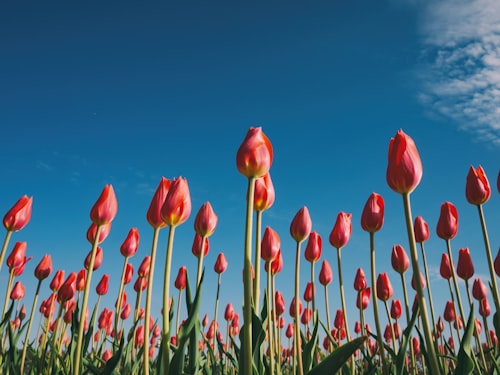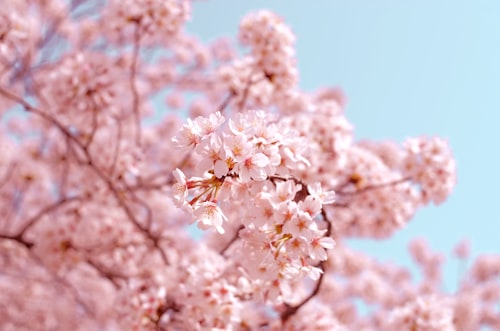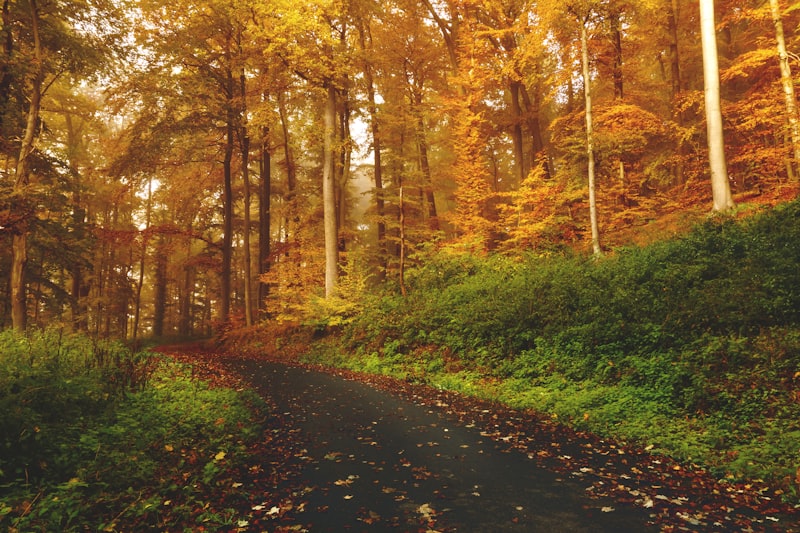
The American lawn is an ecological desert - a vast expanse of monoculture that demands water, fertilizer, and weekend hours while providing almost nothing for wildlife. What if you let part of your yard burst into a riot of color that feeds bees, butterflies, and birds?
A wildflower meadow isn't just beautiful - it's a revolutionary act of ecological restoration, one seed at a time.
Why Replace Your Lawn?
- Requires no fertilizer, pesticides, or regular mowing
- Provides critical habitat for pollinators in decline
- Sequesters more carbon than turf grass
- Reduces stormwater runoff and improves soil health
- Creates a dynamic, ever-changing landscape
Getting Started
- Choose your site: Full sun is ideal. Even poor soil works.
- Remove existing grass: Solarize with clear plastic for 6-8 weeks, or smother with cardboard and mulch.
- Select regional seeds: Use native wildflower mixes for your region.
- Sow in fall or early spring: Fall sowing mimics nature's timing.
- Be patient: Full meadow glory appears in year two or three.
The First Year Rule
In the first year, your meadow may look like a weedy mess. Resist the urge to "fix" it. Year one: sleep. Year two: creep. Year three: leap.
Maintenance (Minimal!)
Once established, a meadow needs just one annual mowing - in late winter or early spring, after seeds have dropped. Cut to 4-6 inches and remove clippings after a day or two.
The Pollinator Payoff
Within weeks of blooming, you'll notice more life - bumblebees on the clover, butterflies on the coneflowers, hummingbirds on the bee balm. A meadow is a 24-hour diner for pollinators.
You haven't just replaced a lawn. You've created an ecosystem.
"A meadow is not just a place. It's a conversation between the land and everything that lives on it."
- Robin Wall Kimmerer