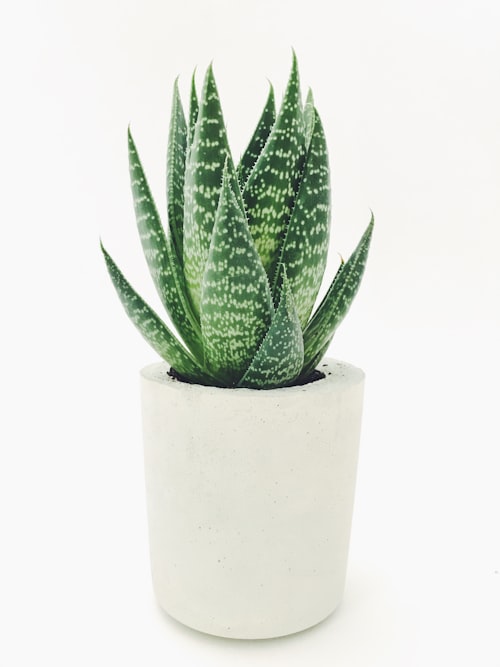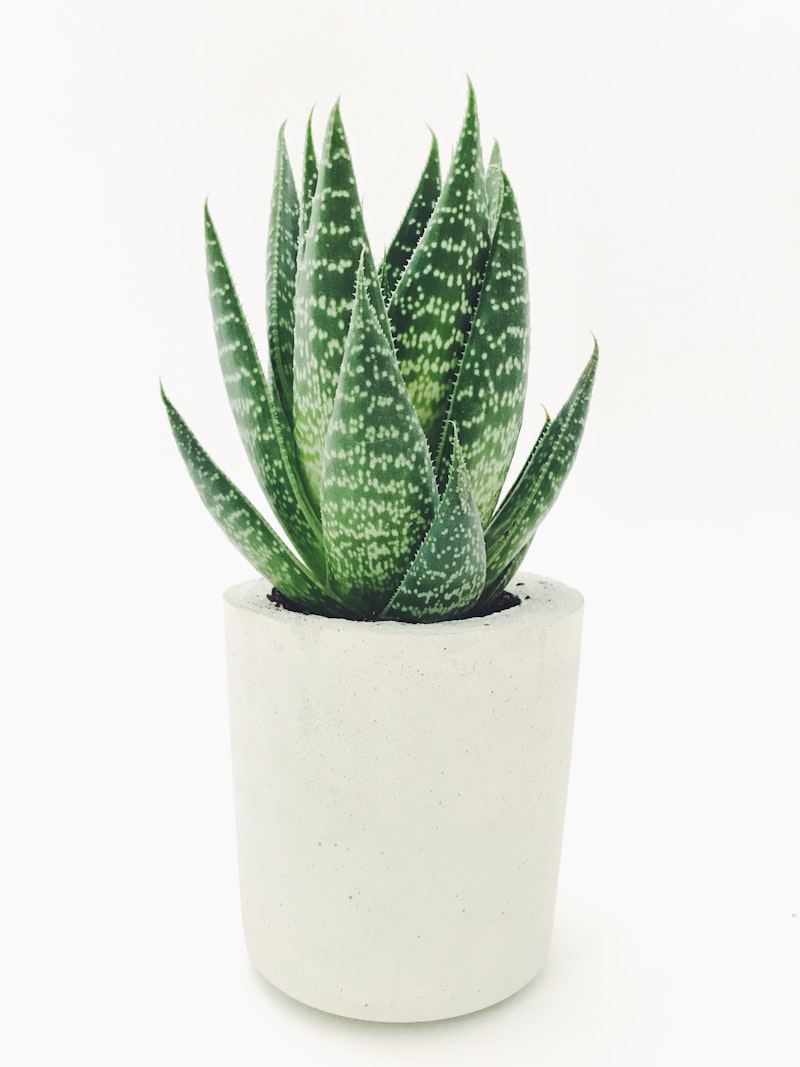
Aloe vera is one of the most useful plants you can grow in your home. For thousands of years, its soothing gel has been used to treat burns, skin irritations, and wounds. Beyond its medicinal properties, this architectural succulent makes a striking statement with its fleshy, sword-shaped leaves arranged in a rosette pattern. Best of all, it asks for very little in return.
About Aloe Vera
Native to the Arabian Peninsula, aloe vera has been cultivated for over 6,000 years for its therapeutic properties. The clear gel inside its thick leaves contains vitamins, minerals, amino acids, and enzymes that give it remarkable healing abilities. The plant is a succulent, storing water in its leaves to survive long periods of drought — which is why it's so forgiving when you forget to water.
Mature plants can grow 2-3 feet tall and produce offsets (called "pups") at their base, which can be separated and grown into new plants. Under the right conditions, mature aloe vera may produce a tall flower spike with tubular yellow or orange blooms.
Light Requirements
Aloe vera thrives in bright, indirect light to gentle direct sun. A south or west-facing window is ideal, providing several hours of direct sunlight. The plant can tolerate some shade but will grow slowly and may become leggy as it stretches toward light.
If you're moving an aloe from indoors to outdoors for summer, acclimate it gradually. Sudden exposure to intense sun can cause sunburn — yes, the plant that soothes sunburns can get sunburned itself. Start with an hour of morning sun and increase over a week.
Pro Tip
If your aloe vera's leaves are thin and curling inward, it's not getting enough light or water. Plump, upright leaves that fan outward indicate a happy, well-lit plant.
Watering
Like all succulents, aloe vera is far more likely to be killed by overwatering than underwatering. Water thoroughly, then let the soil dry out completely before watering again. In practice, this usually means every 2-3 weeks in summer and every 3-4 weeks in winter.
Always check the soil before watering. Insert your finger 2 inches into the soil — if it's even slightly moist, wait. When in doubt, wait another day. A slightly underwatered aloe will recover quickly; a rotting one usually cannot be saved.
Signs of Watering Issues
- Overwatered: Leaves become mushy and translucent, base turns brown and soft, soil stays wet
- Underwatered: Leaves thin out, curl inward, develop dry brown tips (but the plant recovers quickly when watered)
Soil and Potting
Aloe vera needs extremely well-draining soil. Use a commercial cactus/succulent mix, or make your own by combining regular potting soil with equal parts perlite or coarse sand. The key is that water should flow through quickly, not pool around the roots.
Always use a pot with drainage holes. Terracotta is ideal because it's porous and allows the soil to dry more evenly. Choose a pot only slightly larger than the root ball — too much soil holds excess moisture.
Temperature and Humidity
Aloe vera prefers warm, dry conditions:
- Temperature: 55-80°F (13-27°C). Can tolerate brief periods down to 40°F (4°C) but will be damaged by frost.
- Humidity: Low to average. Aloe is a desert plant and doesn't need humidity. In fact, high humidity can promote rot.
Keep aloe away from cold drafts and heating vents. It's happy in the dry air typical of most homes.
Harvesting and Using Aloe Gel
When you need aloe gel, simply cut a mature outer leaf near the base with a clean knife. Then:
- Stand the cut leaf upright in a glass for 10-15 minutes to let the yellow latex drain out (this can be irritating to skin).
- Rinse the leaf, then slice it open lengthwise.
- Scoop out the clear gel with a spoon.
- Apply directly to burns, insect bites, or dry skin, or blend for use in skincare recipes.
Common Mistake
Don't confuse the yellow latex (aloin) with the gel. The latex is the bitter yellow substance between the leaf skin and the gel. It's a powerful laxative and can be irritating. Always let it drain and use only the clear inner gel.
Propagation: A Garden That Keeps Giving
Aloe vera readily produces "pups" — baby plants that grow from the base of the mother plant. When a pup is at least 3-4 inches tall and has its own roots, it can be separated:
- Remove the entire plant from its pot.
- Gently separate the pup from the mother plant, ensuring it has some roots attached.
- Let the cut end dry and callus for 1-2 days.
- Plant in dry succulent soil. Wait a week before watering lightly.
Common Problems
Root Rot
The most common aloe problem, caused by overwatering or poor drainage. If caught early, remove the plant from its pot, trim away all brown/mushy roots with sterilized scissors, let the remaining roots dry for a day, and repot in fresh, dry soil.
Mealybugs
White, cottony pests that cluster at the base of leaves. Remove with a cotton swab dipped in rubbing alcohol, and spray with insecticidal soap if the infestation is widespread.
Brown Leaf Tips
Often caused by fluoride or salts in tap water. Try using filtered or rainwater. You can trim the brown tips with scissors without harming the plant.
"Aloe vera is the gardener's first-aid kit that grows on a windowsill. It asks almost nothing, gives endlessly, and quietly transforms any space with its architectural elegance."