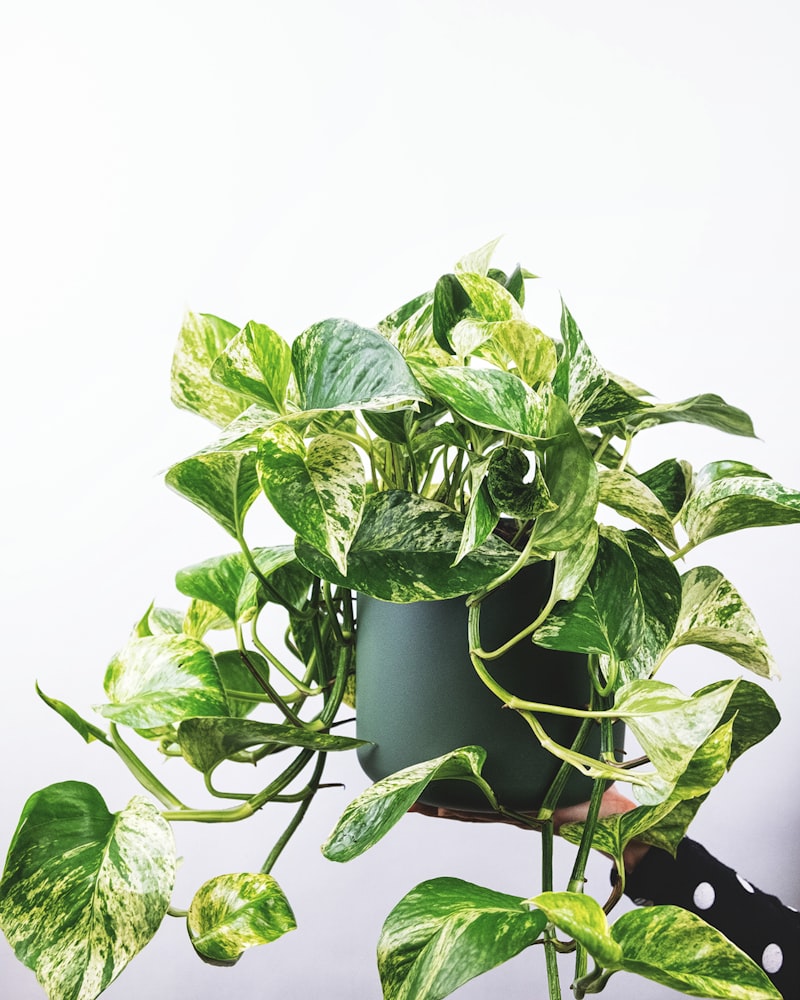
Pothos (Epipremnum aureum) is often the first houseplant people own, and for good reason. Its cascading vines of heart-shaped leaves can grow several feet long, transforming a bookshelf, windowsill, or hanging basket into a living waterfall of green. It's nearly indestructible, grows quickly, and propagates with ease. Whether you're a complete beginner or an experienced plant parent looking for a lush, low-maintenance trailing plant, pothos delivers.
About Pothos
Native to the Solomon Islands in the South Pacific, pothos is a tropical vine that climbs trees in its natural habitat using aerial roots. Indoors, it can be grown as a trailing plant in hanging baskets or trained to climb a moss pole or trellis. Given support to climb, the leaves grow progressively larger — a phenomenon called "adult form" that many growers never see because they keep their pothos trailing.
The plant is also an effective air purifier, removing common indoor pollutants like formaldehyde and benzene. Its only downside: all parts are toxic if ingested, so keep it away from curious pets and children.
Popular Varieties
- Golden Pothos: The classic variety with green leaves splashed with golden-yellow variegation. The most common and most forgiving.
- Marble Queen: White and green marbled variegation. Slower growing than Golden due to less chlorophyll. Needs brighter light to maintain variegation.
- Neon Pothos: Brilliant lime-green leaves with no variegation. Fast-growing and eye-catching. One of the easiest to care for.
- Pearls and Jade: Delicate white and green patterning with smaller leaves. A patented sport of Marble Queen. Slower growing but stunning.
- Cebu Blue: Silvery-blue elongated leaves. A different species (E. pinnatum) with a distinct, elegant look. Slightly less common.
Light Requirements
Pothos is remarkably adaptable, thriving in everything from low light to bright, indirect light. However, the amount of light directly affects growth speed and variegation:
- Bright, indirect light: Fastest growth, best variegation, most vibrant colors
- Medium light: Moderate growth, adequate variegation
- Low light: Slow growth, variegated varieties may revert to green, vines become leggy
Pro Tip
If your variegated pothos is producing all-green new leaves, it needs more light. Move it closer to a window and the new growth will regain its variegation. The green leaves produce more energy — the plant is adapting to low light by maximizing chlorophyll.
Watering
Pothos prefers to dry out slightly between waterings. Water when the top 2 inches of soil feel dry to the touch. In practice, this is usually every 7-10 days in summer and every 10-14 days in winter. When you water, give it a thorough soak until water drains from the bottom, then empty the saucer.
Pothos will tell you when it's thirsty — the leaves visibly droop and look slightly wilted. This isn't harmful if caught within a day or two; the plant perks right back up after watering. However, repeatedly letting it wilt weakens the plant over time.
Signs of Watering Issues
- Overwatered: Yellow leaves (especially lower ones), soft brown spots on leaves, soggy soil, root rot
- Underwatered: Drooping, crispy brown leaf edges, dry soil pulling from the pot edges
Soil and Potting
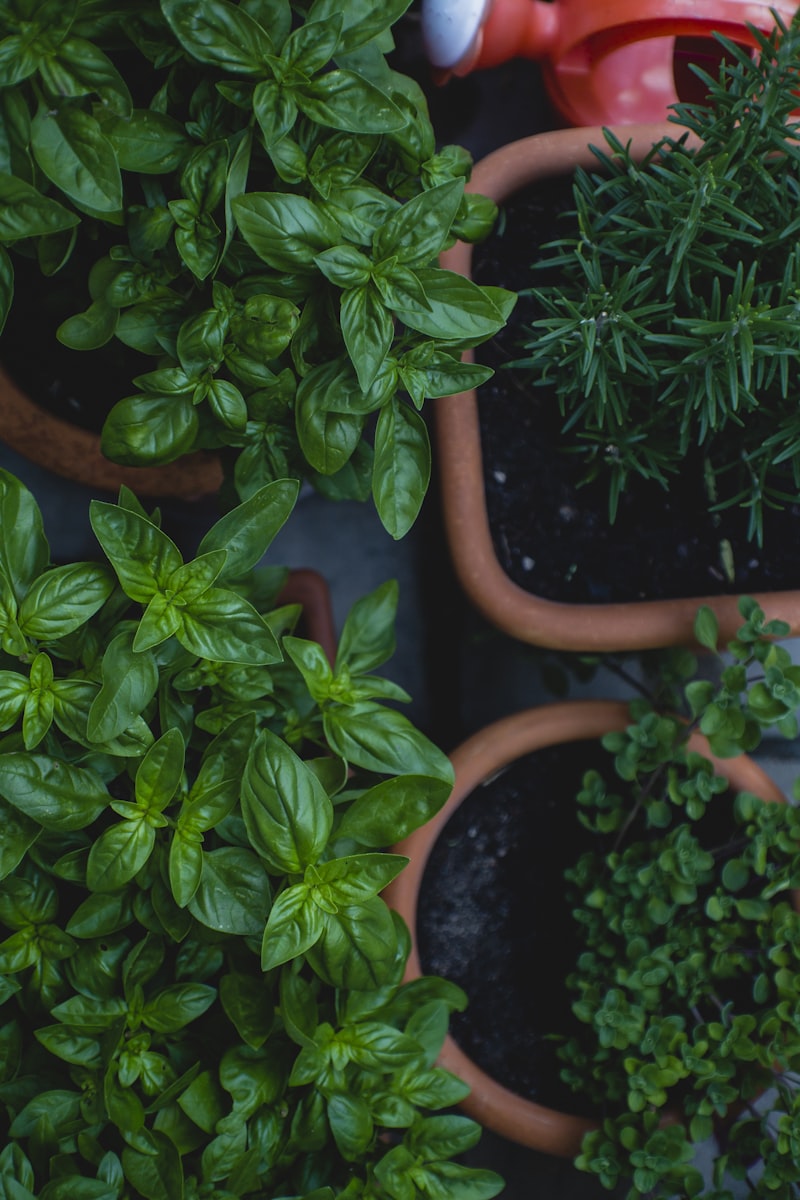
Standard potting soil works well for pothos. For a slightly faster-draining mix, add a handful of perlite. Like most houseplants, pothos needs a pot with drainage holes.
Repot when the plant is clearly root-bound — roots circling the bottom of the pot, water running straight through without being absorbed, or growth slowing significantly. Spring is the ideal time. Move up one pot size and refresh the soil.
Training and Shaping
Pothos is naturally a trailing vine, but you can train it to climb. Install a moss pole in the pot and gently attach the vines using plant clips or soft ties. Keep the moss pole moist to encourage the aerial roots to attach. Climbing pothos develop larger leaves and a more dramatic appearance over time.
For bushier trailing growth, pinch the growing tips regularly. This forces the plant to branch, creating a fuller appearance. Each pinch produces two new stems where there was one.
Common Mistake
Don't let long pothos vines sit in water or on wet surfaces. The nodes (the bumps where leaves meet the stem) will root into whatever moisture they touch, including the drainage saucer. This creates a tangled mess when you try to move the plant. Use a plant hanger or plant stand to keep trailing vines elevated.
Propagation: The Plant That Keeps Giving
Pothos is one of the easiest plants to propagate in water, making it perfect for sharing:
- Using clean scissors, cut a vine section that includes at least one node (the bump where a leaf meets the stem) and 2-3 leaves.
- Remove the leaf closest to the cut end (the one that would be submerged in water).
- Place the cutting in a glass of water, ensuring the node is submerged but the remaining leaves stay above water.
- Place in bright, indirect light and change the water weekly.
- Roots will appear in 1-2 weeks. Once roots are 2-3 inches long (after about 3-4 weeks), pot in soil.
Multiple cuttings can be rooted in the same jar for a fuller new plant. Water-propagated pothos adapts well to soil when the roots are well-developed.
Common Problems
Yellow Leaves
The most common pothos complaint. Usually caused by overwatering, but can also result from natural aging (older leaves at the base yellow and drop as the vine grows). If many leaves are yellowing simultaneously, check for overwatering.
Brown Spots
Soft brown spots are usually bacterial leaf spot, caused by water sitting on leaves. Water at the base of the plant and improve air circulation. Remove affected leaves to prevent spread.
Mealybugs
White cottony pests hiding at leaf joints and along stems. Remove with a cotton swab dipped in rubbing alcohol. Treat with insecticidal soap for persistent infestations.
Leggy Growth
Long stretches of vine with few leaves and large gaps between them. Caused by insufficient light. Move to a brighter spot and pinch the growing tips to encourage branching.
"Pothos is the friend who never lets you down. It grows in dim offices and bright windowsills alike, asks for almost nothing, and gives back a cascade of green that makes any space feel more alive."