Basil is the soul of Mediterranean and Southeast Asian cooking, the fragrant heart of pesto, and one of the easiest and most rewarding herbs to grow. There's a world of difference between the pre-packaged basil from the supermarket and leaves picked fresh from your own plant — the aroma is more intense, the flavor more complex, and the satisfaction of growing it yourself is simply unmatched.
About Basil
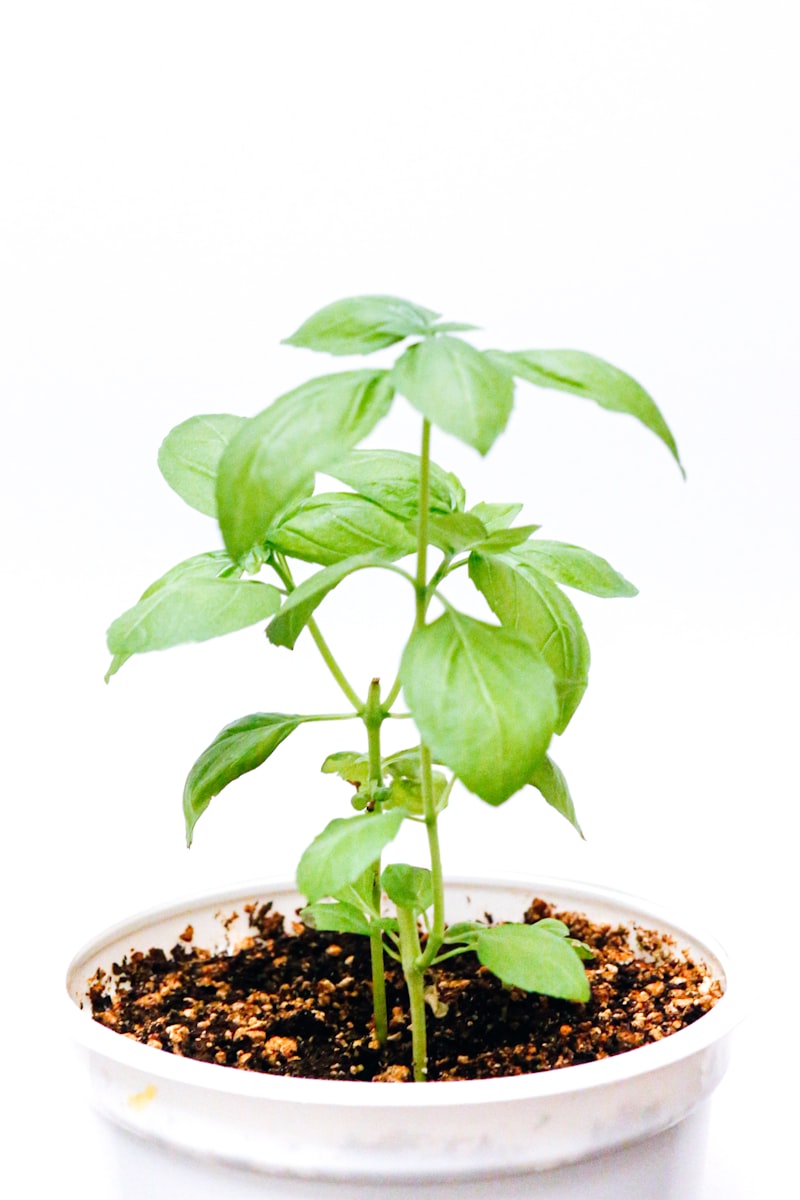
Basil (Ocimum basilicum) is a tender annual herb in the mint family, native to tropical regions of Central Africa and Southeast Asia. It's a warmth-loving plant that grows rapidly in hot weather and declines at the first hint of cold. In most climates, basil is grown as an annual, though it can be a short-lived perennial in frost-free zones (10-11).
The plant grows 12-24 inches tall with opposite leaves along square stems (a hallmark of the mint family). When healthy and well-tended, basil becomes a bushy, productive plant that provides leaves for months.
Popular Varieties
- Genovese (Sweet Basil): The classic Italian basil. Large, tender leaves with a sweet, anise-like flavor. The standard for pesto and Caprese salad.
- Thai Basil: Smaller, pointed leaves with purple stems and a licorice-forward flavor. Essential for Thai and Vietnamese cooking. More heat-tolerant than sweet basil.
- Purple Basil: Striking dark purple leaves with a slightly spicy flavor. Beautiful in the garden and on the plate.
- Lemon Basil: Delicate leaves with a bright citrus aroma. Wonderful in fish dishes, salads, and teas.
- Greek (Miniature) Basil: Tiny leaves on a compact plant. Strong flavor in a small package. Perfect for windowsill growing.
Planting
Basil demands two things: warmth and sun. Wait until all danger of frost has passed and nighttime temperatures are consistently above 50°F (10°C) before planting outdoors. Cold soil and cold nights stunt growth and can kill young plants.
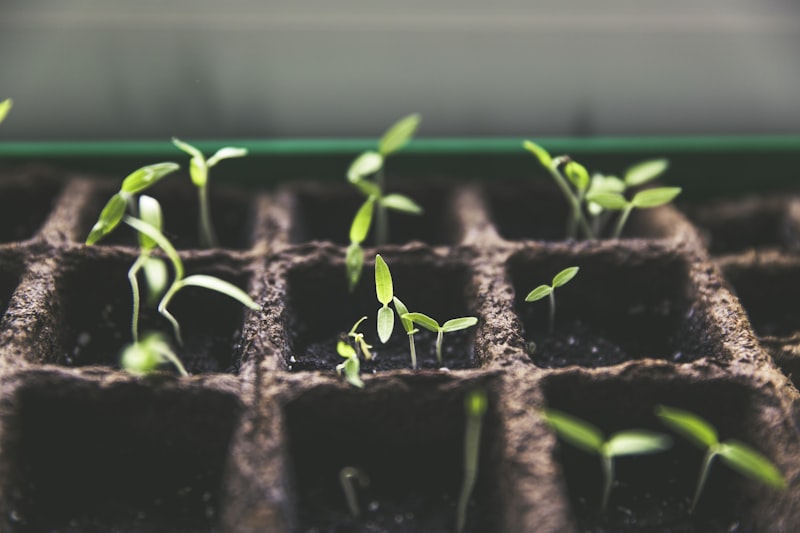
Start seeds indoors 4-6 weeks before your last frost date, or sow directly in the garden after the soil has warmed. Plant seeds 1/4 inch deep and keep moist until germination (5-10 days). Thin seedlings to 6-12 inches apart.
Pro Tip
Don't rush basil outdoors. A single cold night can set plants back weeks. If you're eager to start, grow basil in pots that can be moved indoors when temperatures dip. A sunny windowsill or a spot near a south-facing window provides enough light for indoor basil.
Light
Basil needs at least 6-8 hours of direct sunlight daily. Full sun produces the most flavorful, aromatic leaves. In very hot climates, basil benefits from light afternoon shade to prevent leaf scorching, but in most regions, the more sun the better.
Watering
Keep basil's soil consistently moist but not waterlogged. The soil should feel like a wrung-out sponge. Container-grown basil may need daily watering in hot weather. Water at the base of the plant in the morning, keeping leaves dry to prevent fungal issues.
Mulch around garden basil with straw or compost to retain moisture and suppress weeds. In containers, check soil daily — basil wilts dramatically when thirsty but recovers quickly if watered promptly.
The Art of Harvesting
How you harvest basil directly affects how the plant grows. The golden rule: always cut stems just above a leaf pair. This encourages branching, producing a bushier plant with more harvestable leaves.
Begin harvesting when the plant has at least 6-8 leaves. Never harvest more than one-third of the plant at once. Regular harvesting actually extends the plant's productive life by preventing it from going to seed.
Pinching Flowers
When basil begins to flower, pinch off the flower buds immediately. Once basil flowers, the leaves become bitter and growth slows as the plant redirects energy to seed production. Continue pinching buds as they appear throughout the season.
Common Mistake
Harvesting individual leaves instead of cutting stems is the most common basil mistake. Plucking leaves from the stem leaves bare sections that don't produce new growth. Always cut the stem back to a leaf pair to encourage branching.
Preserving Your Harvest
- Pesto: The classic preservation method. Make large batches and freeze in ice cube trays for portioned servings.
- Compound butter: Mix chopped basil into softened butter, roll into a log, and freeze. Slice as needed for bread, vegetables, or finishing grilled meats.
- Olive oil: Blend basil with olive oil and freeze in ice cube trays. The oil preserves the bright green color.
- Drying: Less flavorful than fresh but still useful. Hang small bunches upside down in a warm, dark, well-ventilated spot.
Common Problems
Downy Mildew
Yellowing upper leaves with gray-purple fuzzy growth underneath. Spreads rapidly in humid conditions. Improve air circulation, avoid overhead watering, and remove affected leaves immediately. Choose resistant varieties.
Fusarium Wilt
Leaves yellow and wilt, starting from the bottom. The plant collapses despite adequate watering. A soil-borne disease with no cure. Remove and destroy affected plants. Avoid planting basil in the same spot the following year.
Aphids
Small green insects on new growth. Blast off with water or treat with insecticidal soap. Companion planting with marigolds can help deter aphids.
Japanese Beetles
Can skeletonize basil leaves quickly. Hand-pick in the morning and drop into soapy water.
"Basil is the kitchen garden's greatest gift — a plant so generous that every harvest makes it grow more, so fragrant that brushing past it perfumes the air, and so essential that no summer kitchen should be without it."