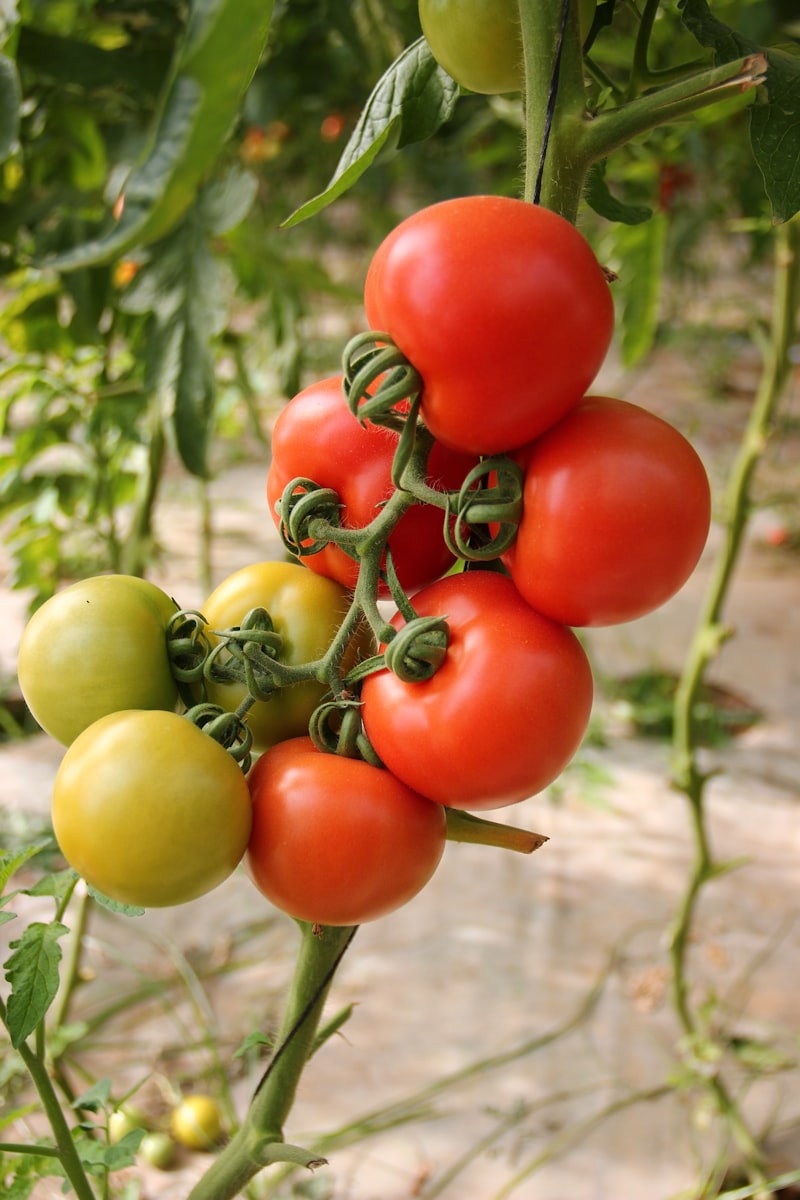
Nothing from the supermarket can compare to a sun-warmed tomato picked fresh from your own garden. The flavor is extraordinary — sweet, complex, and intensely tomato-ey in a way that commercially grown varieties never achieve. Whether you have a sprawling backyard or a sunny balcony, growing tomatoes is one of the most rewarding experiences in gardening.
Choosing Your Tomato Type
Before you plant a single seed, you need to understand the two main growth habits:
- Determinate (bush): Grow to a fixed size, produce all their fruit within a concentrated 2-3 week period, then decline. Ideal for container growing, small spaces, and canning. Varieties: Roma, Celebrity, Patio.
- Indeterminate (vining): Continue growing and producing fruit until frost kills them. Need tall supports (5-6 feet). Produce fruit over a long season. Varieties: Cherry, Beefsteak, most heirlooms.
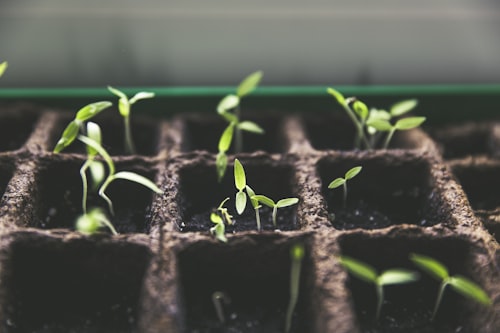
Starting from Seed
Start tomato seeds indoors 6-8 weeks before your last expected frost date. This gives the seedlings a head start on the growing season:
- Fill seed-starting trays with a light, sterile seed-starting mix.
- Plant seeds 1/4 inch deep, 2-3 per cell.
- Keep the soil at 70-80°F (21-27°C) and consistently moist. A heat mat speeds germination.
- Seeds typically sprout in 5-10 days. Once seedlings emerge, provide 14-16 hours of light daily using grow lights.
- When seedlings develop their first true leaves (the second set), thin to the strongest plant per cell.
- Harden off seedlings gradually over 7-10 days before transplanting outdoors.
Pro Tip
Plant tomato seedlings deeper than they grew in their pots — bury the stem up to the first set of true leaves. The buried stem will develop additional roots, creating a stronger, more drought-resistant plant.
Planting Out
Transplant after all danger of frost has passed and soil temperatures are consistently above 60°F (15°C). Choose a spot with at least 8 hours of direct sunlight — more sun means sweeter fruit.
Space determinate varieties 2 feet apart, indeterminate varieties 3-4 feet apart. Mix compost or aged manure into the planting hole, and install your support system (stakes, cages, or trellises) at planting time to avoid damaging roots later.
Watering
Tomatoes need consistent, deep watering. Aim for 1-2 inches per week, delivered at the base of the plant. Inconsistent watering — periods of drought followed by heavy watering — is the primary cause of blossom end rot and fruit cracking.
Use drip irrigation, soaker hoses, or a watering wand to keep foliage dry. Wet leaves promote fungal diseases. Mulch heavily with straw, grass clippings, or compost to conserve moisture and prevent soil from splashing onto lower leaves.
Supporting and Pruning
Indeterminate tomatoes absolutely need support. Options include:
- Cages: Easy, low-maintenance. Buy large, sturdy cages — the small conical ones are too small for most varieties.
- Stakes: Drive a 6-foot stake at planting. Tie the main stem to the stake every 8-12 inches with soft twine.
- Florida weave: Weave twine between stakes to support a row of plants. Efficient for larger gardens.
Prune indeterminate varieties by removing "suckers" — the small shoots that grow in the angle between the main stem and branches. Removing some suckers improves air circulation and channels the plant's energy into fruit production rather than foliage.
Feeding
Tomatoes are moderate to heavy feeders. At planting, incorporate compost and a handful of bone meal into each hole. Once fruit begins to set, feed every 2-3 weeks with a tomato-specific fertilizer (higher in phosphorus and potassium than nitrogen). Too much nitrogen produces lush foliage but few fruits.
Common Mistake
Don't plant tomatoes in the same spot year after year. Soil-borne diseases build up over time. Rotate with non-related crops on a 3-year cycle. If space is limited, grow tomatoes in large containers (at least 5 gallons) with fresh soil each year.
Common Problems
Blossom End Rot
Dark, sunken spots on the bottom of fruit. Caused by calcium deficiency, usually triggered by inconsistent watering rather than lack of calcium in the soil. Maintain even soil moisture and add crushed eggshells or garden lime at planting.
Early Blight
Dark concentric rings on lower leaves that yellow and drop. A fungal disease favored by warm, wet conditions. Improve air circulation, mulch to prevent soil splash, remove affected leaves, and apply a copper fungicide if needed.
Tomato Hornworm
Large green caterpillars that can defoliate a plant overnight. Hand-pick (they're large and visible) or use Bt (Bacillus thuringiensis), an organic caterpillar control.
Harvesting
Harvest tomatoes when they're fully colored and slightly soft to the touch. For the best flavor, pick when the fruit is fully ripe on the vine. If birds or pests are a problem, pick at "breaker stage" (when the fruit starts showing color but isn't fully ripe) and let it finish ripening indoors at room temperature. Never refrigerate tomatoes — cold kills their flavor compounds.
"A homegrown tomato is the taste of summer distilled into a single fruit. Every gardener who has bitten into one still warm from the sun knows why we go through all the effort — it simply cannot be matched."