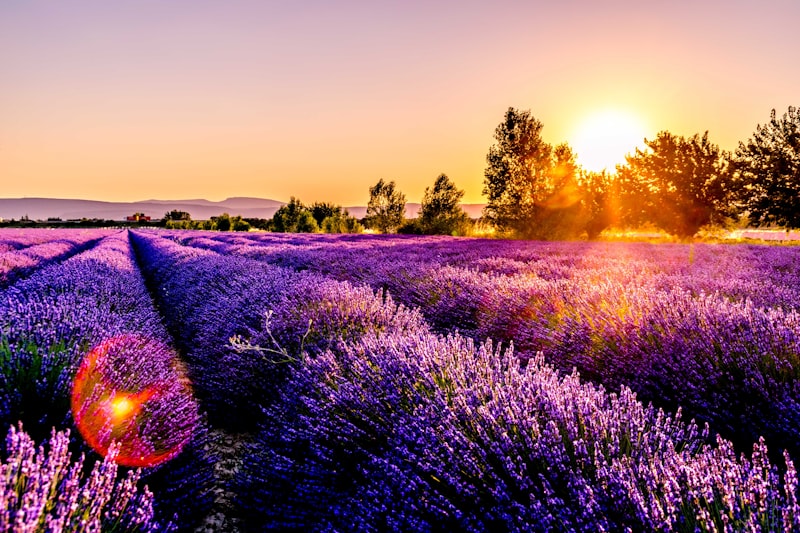
Few plants embody the romance of the garden quite like lavender. Its silvery foliage and purple flower spikes have been prized for millennia — for perfume, for cooking, for medicine, and simply for the pure pleasure of its calming fragrance. Whether you dream of a sprawling lavender field or a single pot on a sunny windowsill, this guide will help you succeed.
About Lavender
Lavender (Lavandula) is a Mediterranean native, which tells you most of what you need to know about its preferences: full sun, excellent drainage, and not too much fuss. The most commonly grown varieties include English lavender (Lavandula angustifolia), prized for its sweet fragrance and cold hardiness; French lavender (Lavandula dentata), with its distinctive toothed leaves and longer bloom period; and Lavandin (Lavandula x intermedia), a vigorous hybrid that produces abundant essential oil.

Choosing the Right Variety
- English Lavender (L. angustifolia): Hardiest (USDA zones 5-9), best fragrance, ideal for culinary use and sachets. Compact habit, 12-24 inches tall.
- Lavandin (L. x intermedia): Larger plants (24-36 inches), longer stems, excellent for dried arrangements and essential oil. Zones 5-8.
- French Lavender (L. dentata): More tender (zones 8-11), blooms nearly year-round in mild climates, distinctive toothed foliage. Best for containers.
- Spanish Lavender (L. stoechas): Showy bracts atop flower heads, more heat-tolerant, less cold-hardy. Great for ornamental plantings.
Planting
Lavender demands two things above all else: full sun (at least 6-8 hours of direct sunlight) and excellent drainage. It will not survive in wet, heavy clay or in low spots where water pools after rain.
If you have clay soil, plant lavender in raised beds or containers. Amend the soil generously with coarse sand, gravel, or fine decomposed granite to improve drainage. Space plants 12-18 inches apart for English lavender, 24-36 inches for Lavandin, to ensure good air circulation.
Pro Tip
The single biggest mistake lavender growers make is being too kind. Lavender thrives on benign neglect — lean soil, minimal water, and plenty of sunshine produce the most fragrant plants. Rich soil and frequent watering lead to lush foliage but weak scent and shorter lifespan.
Watering
Once established, lavender is remarkably drought-tolerant. Water newly planted lavender once or twice a week for the first growing season. After that, established plants typically need water only during extended dry periods. Overwatering is far more dangerous than underwatering — lavender's roots rot easily in consistently moist soil.
Container-grown lavender needs more frequent watering than in-ground plants, but still let the soil dry out between waterings. Terracotta pots are ideal because they allow the soil to breathe and dry more evenly.
Pruning
Regular pruning is essential for keeping lavender compact and productive. Without it, plants become woody, open in the center, and eventually stop producing vigorous new growth.
- After bloom: Cut back flower stems and about one-third of the current year's growth. Shape the plant into a neat mound.
- In spring: When new growth appears, trim away any dead or winter-damaged stems. You can remove up to one-third of the plant's overall size.
Common Mistake
Never cut into the old, leafless wood at the base of the plant. Lavender rarely produces new growth from old wood. If your plant has become very woody and leggy, it's often better to replace it than to try drastic pruning.
Harvesting
For the most fragrant harvest, cut lavender when about half the flower buds on each spike have opened. Cut stems in the morning after dew has dried but before the heat of the day, when essential oil concentration is highest. Gather stems into small bundles and hang upside down in a warm, dark, well-ventilated space to dry.
Uses for Harvested Lavender
- Culinary: English lavender buds in baking (shortbread, lemonade, honey), herbes de Provence blends
- Sachets: Dried buds in small cloth bags for closets and drawers
- Essential oil: Steam distillation for aromatherapy and skincare
- Decorative: Dried bundles and wreaths
Common Problems
Root Rot
The number one lavender killer. Caused by poor drainage or overwatering. If the base of the plant turns black and mushy, it's usually too late. Prevention is key: plant in well-draining soil and resist the urge to water.
Winter Die-Back
In humid winter climates, lavender can suffer from fungal issues. Improve air circulation, avoid mulching close to the stem, and choose hardy varieties for your zone.
Leggy Growth
Caused by insufficient sun or lack of pruning. Move to a sunnier location and establish a regular pruning routine.
Propagation
Lavender can be grown from seed, but germination is slow and irregular. For reliable results and true-to-type plants, propagate from cuttings:
- In late spring or early summer, take 3-4 inch semi-hardwood cuttings from non-flowering stems.
- Remove the lower leaves and dip the cut end in rooting hormone.
- Insert into a well-draining mix of perlite and peat or coco coir.
- Keep barely moist and in a warm, bright spot out of direct sun.
- Roots should develop in 4-6 weeks. Transplant to small pots, then to the garden after roots fill the pot.
"Lavender is proof that the best things in the garden ask for very little. Give it sun, give it drainage, and leave it alone — it will reward you with years of beauty and fragrance."