The peace lily (Spathiphyllum) is one of the world's most popular houseplants, and for good reason. Its elegant white blooms and lush dark foliage bring a touch of tropical sophistication to any room, while NASA studies have confirmed its ability to filter common indoor air pollutants. Perhaps best of all, it's one of the most communicative plants you can grow — it will tell you clearly when it needs water.
About the Peace Lily
Despite its common name, the peace lily is not a true lily. It belongs to the Araceae family, making it a relative of philodendrons and pothos. Native to the tropical rainforests of Central and South America, it grows on the forest floor where it receives dappled light and consistent moisture — conditions that are surprisingly easy to replicate indoors.
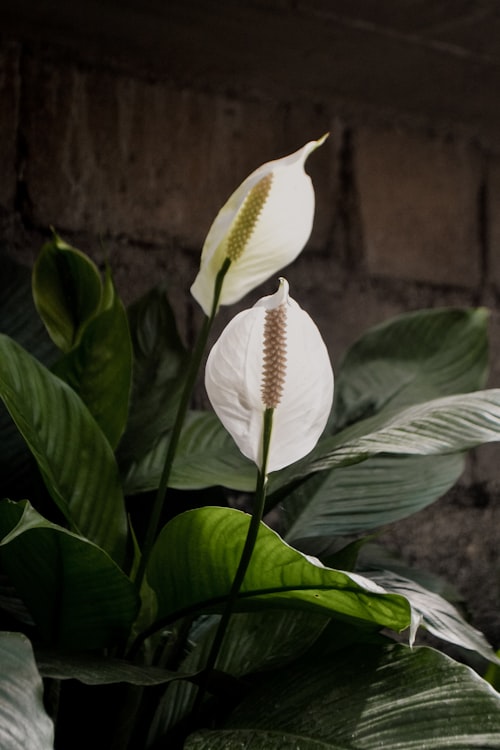
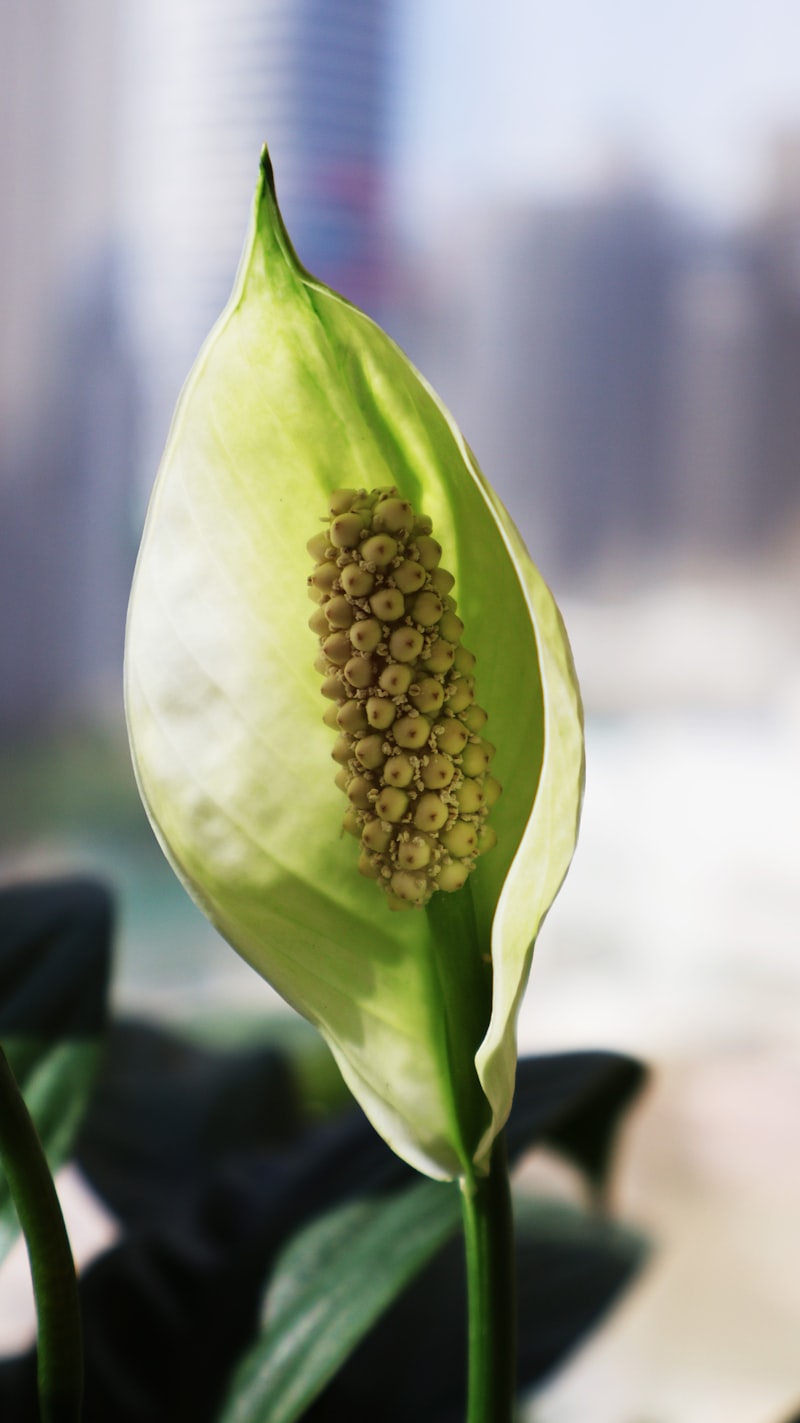
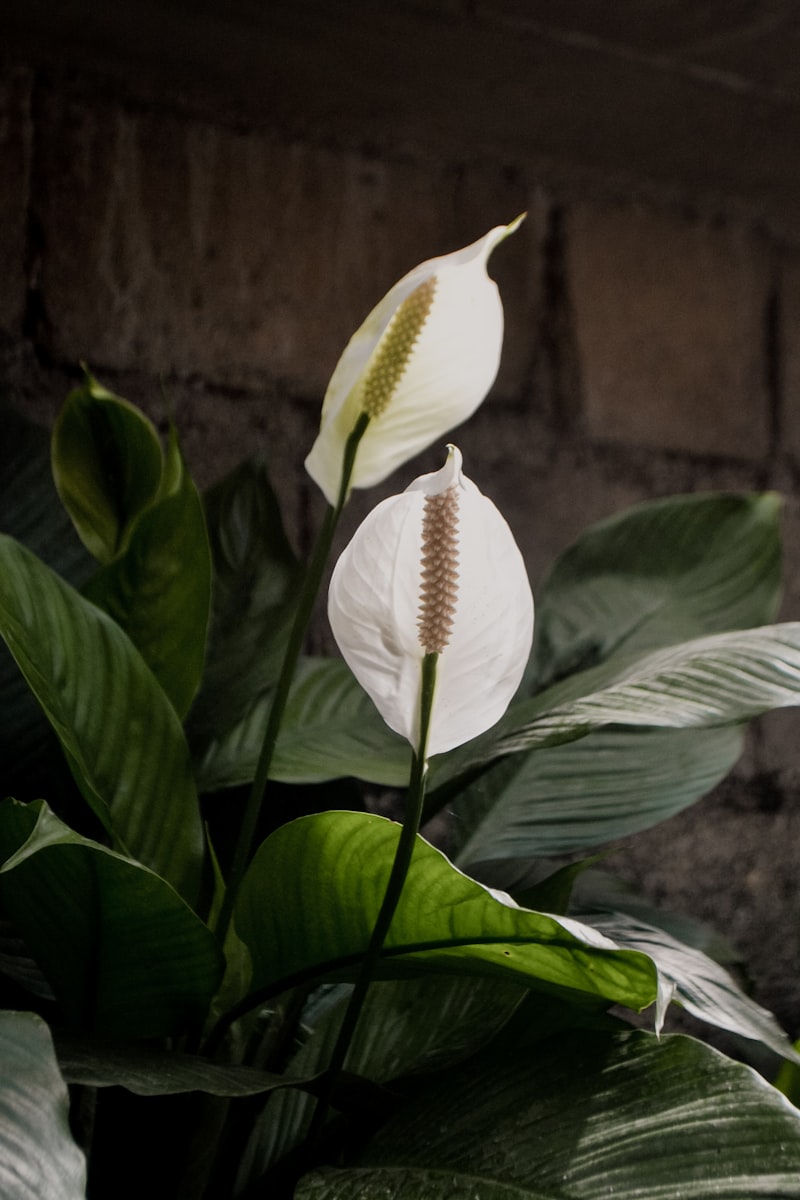
The "flower" is actually a modified leaf (spathe) surrounding a spike of tiny true flowers (spadix). Each bloom can last 4-6 weeks, and a healthy plant will produce flowers periodically throughout the year, with the heaviest bloom in spring and early summer.
Light Requirements
Peace lilies are among the best low-light houseplants available. They thrive in medium to bright indirect light but can tolerate low-light conditions that would defeat most flowering plants. The trade-off: plants in lower light bloom less frequently, while those in brighter conditions produce more flowers.
Pro Tip
If your peace lily isn't blooming, try moving it to a brighter spot. A location near an east or north window where it receives gentle, indirect light is the sweet spot for both foliage and flowers.
Light Quick Guide
- Ideal: Bright, indirect light (near east or north window)
- Acceptable: Low to medium light (will survive but bloom less)
- Avoid: Direct sunlight (causes brown, scorched patches on leaves)
- Fluorescent light: Can survive under office lighting, making it a popular workplace plant
Watering
Peace lilies prefer consistently moist soil but are remarkably forgiving. The telltale sign: when thirsty, the entire plant dramatically droops, leaves going limp like a sad puppet. This looks alarming but isn't harmful — the plant recovers within hours of watering. However, letting it repeatedly wilt weakens the plant over time.
A better approach is to water when the top inch of soil feels dry. Water thoroughly until it drains from the bottom, then empty the saucer. In average conditions, this means watering every 5-7 days in summer and every 7-10 days in winter.
Signs of Watering Issues
- Underwatered: Dramatic drooping, dry crispy leaf edges, light pot weight
- Overwatered: Yellowing lower leaves, constantly wet soil, mushy base — leading to root rot
Soil and Potting
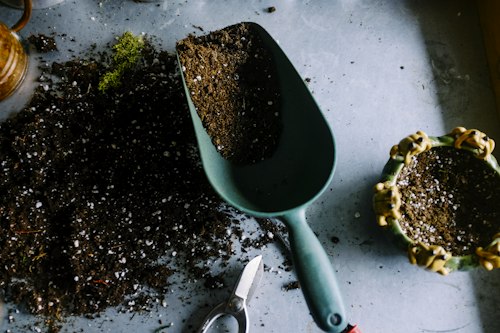
Use a rich, well-draining potting mix. A blend of standard potting soil with a handful of perlite works well. The soil should retain moisture without becoming soggy or compacted.
Peace lilies actually prefer to be slightly root-bound and bloom better when somewhat crowded in their pots. Repot only when roots are visibly packed or growing out of the drainage holes, and go up only one pot size. Spring is the ideal repotting time.
Temperature and Humidity
As tropical plants, peace lilies prefer warm, humid conditions:
- Temperature: 65-85°F (18-29°C). Avoid temperatures below 55°F (13°C), which causes cold damage.
- Humidity: 50% or higher is ideal. Average home humidity (40%) is usually acceptable, but the plant benefits from a humidity tray, humidifier, or grouping with other plants.
Keep peace lilies away from cold drafts, heating vents, and air conditioners. Sudden temperature changes can cause brown leaf tips and bud drop.
Fertilizing
Feed during the growing season (spring through summer) with a balanced houseplant fertilizer diluted to half strength, applied every 6-8 weeks. Over-fertilizing causes brown leaf tips and salt buildup, so less is definitely more with peace lilies. Stop fertilizing in fall and winter.
Common Mistake
Brown leaf tips on peace lilies are usually caused by one of three things: low humidity, fluoride in tap water, or over-fertilizing. Try switching to filtered water first — it often solves the problem without any other changes.
Common Problems
Yellow Leaves
The most common issue. Usually caused by overwatering, but can also result from natural aging (older leaves at the base yellow and die as the plant grows). If only the oldest leaves are yellowing, it's normal. If new or many leaves are yellow, check your watering habits.
Brown Leaf Tips
Nearly universal with peace lilies in homes. Caused by low humidity or minerals in tap water. Trim the brown tips with scissors following the natural leaf shape, and consider using filtered or distilled water.
Green Flowers
The white spathe naturally turns green as it ages. This is normal — simply cut the flower stem at the base when it's no longer attractive. Excessive greening of new flowers may indicate too much nitrogen fertilizer.
Mealybugs
White cottony pests hiding in leaf joints. Remove with a cotton swab dipped in rubbing alcohol and treat with insecticidal soap.
Propagation
Peace lilies are best propagated by division during repotting:
- Remove the plant from its pot and gently shake off excess soil.
- Identify natural divisions where the plant has multiple crowns.
- Carefully separate the sections, ensuring each has roots and several leaves.
- Pot each division in its own container with fresh soil.
- Water well and keep in a warm, humid spot until new growth appears.
"The peace lily is the diplomat of the houseplant world — adaptable, forgiving, and quietly beautiful. It thrives where other plants struggle, asking only for a little water and a little shade."