The Monstera deliciosa, affectionately known as the Swiss Cheese Plant, is one of the most beloved houseplants in the world. With its dramatic, split leaves and tropical presence, it brings a touch of the jungle into any living space. Native to the rainforests of Central America, this climbing plant has adapted beautifully to indoor life.
About Monstera Deliciosa
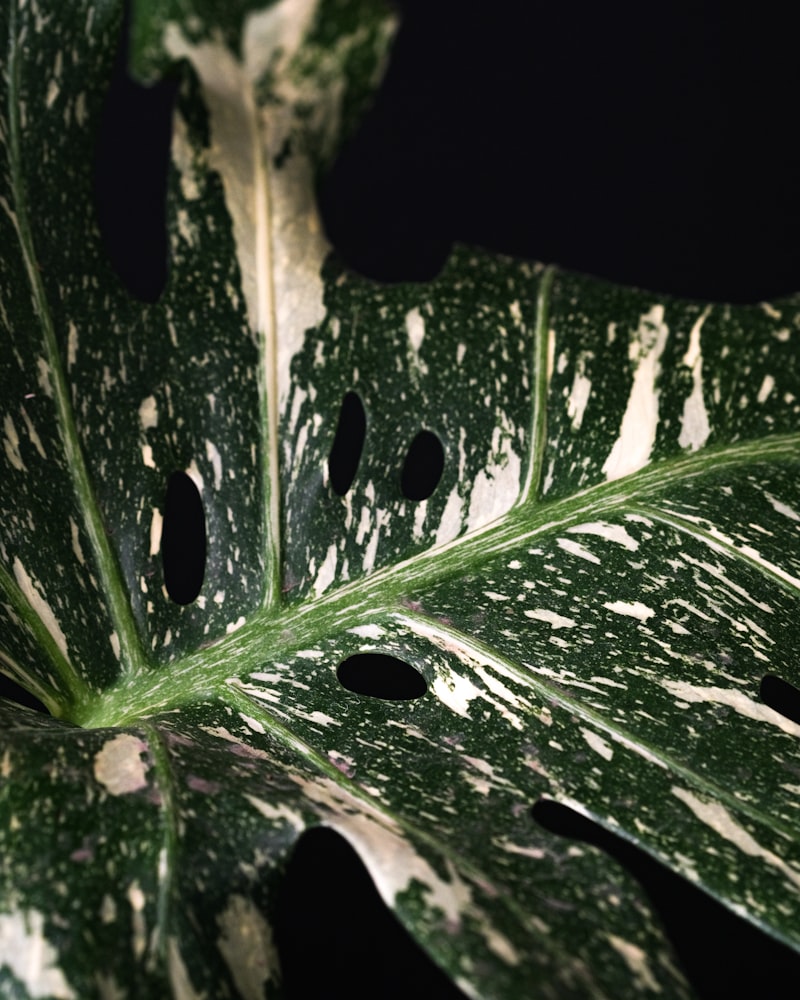
In its natural habitat, Monstera deliciosa climbs tree trunks, using its aerial roots to anchor itself as it reaches toward the forest canopy. The characteristic holes in its leaves, called fenestrations, are thought to be an adaptation that allows light to pass through to lower leaves and helps the plant withstand heavy tropical rainfall and strong winds.
The plant can grow leaves up to 3 feet wide in the wild, though indoor specimens typically produce leaves around 12-18 inches. As the plant matures, the leaves develop increasingly complex splits and holes, making each new leaf an exciting surprise.
Light Requirements
Monstera thrives in bright, indirect light. Think of the dappled sunlight it would receive under a rainforest canopy. An east-facing window is ideal, providing gentle morning sun. A few hours of direct morning light is beneficial, but avoid harsh afternoon sun which can scorch the leaves.
Pro Tip
If your Monstera's leaves are growing without splits, it likely needs more light. Mature leaves should develop fenestrations when light conditions are adequate.
Light Quick Guide
- Ideal: Bright, indirect light near an east or north-facing window
- Acceptable: Medium light, but growth will be slower
- Avoid: Direct afternoon sunlight (causes brown spots)
- Low light: Can survive but will become leggy with small leaves
Watering
The golden rule for Monstera watering: wait until the top 2-3 inches of soil are dry before watering again. Overwatering is the number one cause of problems for Monstera owners. When you do water, give it a thorough soak until water runs from the drainage holes, then empty the saucer.
In spring and summer (the growing season), you will likely water every 1-2 weeks. In fall and winter, reduce watering to every 2-3 weeks as the plant's growth slows.
Signs of Watering Issues
- Overwatered: Yellowing leaves, mushy stems, soggy soil, root rot
- Underwatered: Crispy brown leaf edges, drooping leaves, dry soil pulling away from pot
Soil and Potting
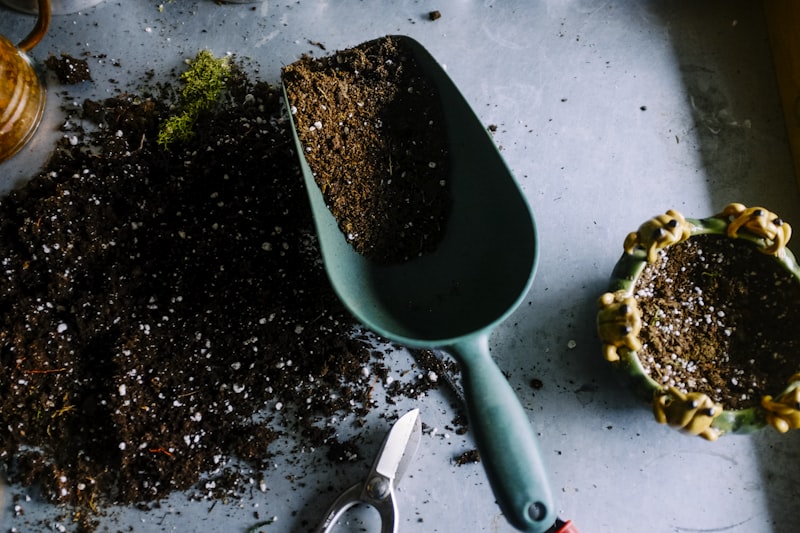
Monstera needs well-draining soil that retains some moisture without becoming waterlogged. A good mix is:
- 60% standard potting mix
- 20% perlite or pumice (for drainage)
- 20% orchid bark or coco coir (for aeration)
Repot your Monstera every 2-3 years, or when you see roots circling the bottom of the pot or growing out of the drainage holes. Choose a pot only 1-2 inches larger in diameter than the current one.
Temperature and Humidity
As a tropical plant, Monstera prefers warm conditions:
- Temperature: 65-85°F (18-30°C). Avoid temperatures below 55°F (13°C).
- Humidity: 60% or higher is ideal. Average home humidity (40-50%) is acceptable, but the plant will benefit from a humidifier or pebble tray.
Fertilizing
Feed your Monstera during the growing season (spring through summer) with a balanced liquid fertilizer diluted to half strength, applied every 4-6 weeks. Stop fertilizing in fall and winter when growth naturally slows.
Common Mistake
Never fertilize a dry plant. Always water first, then apply fertilizer to avoid burning the roots.
Pruning and Training
Monstera benefits from occasional pruning to maintain its shape and encourage bushier growth. Use clean, sharp scissors or pruning shears to remove:
- Yellowing or damaged leaves at the base of the stem
- Excessively long vines to control size
- Any leaves with signs of disease
Provide a moss pole or trellis for support. As the plant grows, gently attach the aerial roots to the support structure. This mimics the plant's natural climbing habit and encourages larger leaf development.
Common Pests and Problems
Spider Mites
Tiny pests that create fine webbing on leaf undersides. Treat by wiping leaves with a damp cloth and spraying with insecticidal soap. Increase humidity to prevent recurrence.
Root Rot
Caused by overwatering or poor drainage. If you suspect root rot, remove the plant from its pot, trim away mushy brown roots with sterilized scissors, and repot in fresh, dry soil.
Brown Leaf Tips
Usually caused by low humidity or inconsistent watering. Trim the brown edges with scissors following the natural leaf shape, and establish a regular watering routine.
Propagation
Monstera is easy to propagate through stem cuttings:
- Find a stem section with at least one node (the bumpy point where aerial roots emerge) and one leaf.
- Cut below the node with clean scissors.
- Place the cutting in water, ensuring the node is submerged.
- Change the water weekly and wait for roots to develop (2-4 weeks).
- Once roots are 2-3 inches long, plant in soil.
"The Monstera is the gateway plant that turns casual plant admirers into devoted plant parents. Its forgiving nature and dramatic growth make every new leaf feel like a celebration."