Ferns are among the oldest plants on Earth, having thrived for over 360 million years. Their delicate, feathery fronds bring a soft, woodland beauty to any indoor space that few other plants can match. While they have a reputation for being fussy, the secret to fern care comes down to one word: humidity. Get that right, and these ancient plants will reward you with lush, vibrant growth.
Understanding Ferns
Unlike most houseplants, ferns don't produce flowers or seeds. They reproduce through spores, which appear as small brown dots on the undersides of their fronds. In nature, ferns grow in the dappled shade of forest floors, where the air is consistently moist and temperatures are moderate — conditions that give us a clear roadmap for their indoor care.
There are over 10,000 species of ferns, but only a handful are commonly grown as houseplants. Each has its own personality, from the dramatic cascading fronds of the Boston fern to the architectural bird's nest fern.
Popular Indoor Ferns
- Boston Fern (Nephrolepis exaltata): The classic hanging basket fern with long, arching fronds. Demands high humidity. Great for bathrooms.
- Bird's Nest Fern (Asplenium nidus): Broad, wavy leaves instead of feathery fronds. More tolerant of lower humidity than other ferns. Striking architectural form.
- Maidenhair Fern (Adiantum): Delicate, fan-shaped leaflets on dark, wiry stems. The diva of the fern world — beautiful but demanding. Needs consistent moisture and humidity.
- Staghorn Fern (Platycerium): Grows mounted on boards or in baskets. Dramatic antler-shaped fronds. Surprisingly easy once established.
- Kangaroo Paw Fern (Microsorum diversifolium): Tough, leathery fronds with an irregular shape. One of the most forgiving ferns for beginners.
Light Requirements
Ferns prefer medium to bright indirect light, similar to their natural forest-floor habitat. They should never be placed in direct sunlight, which will scorch their delicate fronds. An east- or north-facing window is ideal, or a spot a few feet back from a brighter window.
Pro Tip
If your fern's fronds are pale and bleached-looking, it's getting too much light. If growth is sparse and fronds are reaching toward the window, it needs more light. The sweet spot produces full, rich green growth.
Watering
Ferns prefer consistently moist (but never soggy) soil. Unlike succulents that like to dry out between waterings, ferns suffer when their soil dries completely. The goal is soil that feels like a wrung-out sponge — damp but not dripping.
Check the soil every few days by touching the surface. When the top inch begins to feel dry, it's time to water. Water thoroughly until moisture drains from the bottom, and don't let the pot sit in standing water.
Signs of Watering Issues
- Underwatered: Fronds turn crispy and brown at the edges, leaves may shed, soil pulls away from the pot
- Overwatered: Fronds turn yellow, especially at the base, soil stays wet, root rot develops
Humidity: The Make-or-Break Factor
This is where most fern care goes wrong. The average home has 30-40% humidity; most ferns want 50-70%. Without adequate humidity, fronds turn brown and crispy at the edges no matter how well you water the soil.
Strategies to increase humidity:
- Humidity tray: Place pebbles in a tray, add water to just below the pebble tops, and set the pot on top. As the water evaporates, it creates a humid microclimate.
- Grouping plants: Plants release moisture through transpiration. Grouping several plants together creates a shared humid zone.
- Humidifier: The most effective solution, especially in dry climates or during winter heating season.
- Bathroom placement: A naturally humid room and often the best spot for moisture-loving ferns.
Common Mistake
Misting ferns is a popular recommendation, but it provides only a brief humidity boost that evaporates in minutes. Worse, wet fronds can encourage fungal diseases. A humidifier or pebble tray is far more effective and safer for the plant.
Soil and Potting
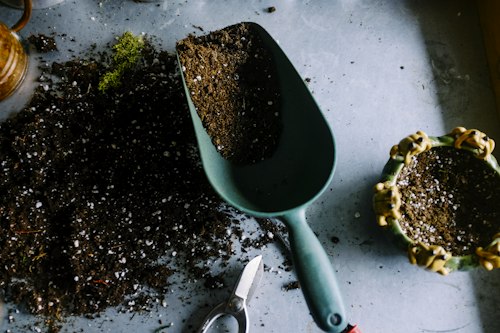
Ferns need a light, airy potting mix that retains moisture without becoming compacted. A good fern mix combines:
- 50% standard potting soil
- 25% peat moss or coco coir (for moisture retention)
- 25% perlite (for drainage and aeration)
Repot ferns when roots fill the pot or water runs straight through without being absorbed. Spring is the ideal time. Choose a pot only one size larger and be gentle with the fragile root system.
Temperature
Most indoor ferns prefer temperatures between 60-75°F (15-24°C). They dislike both cold drafts and hot, dry air. Keep them away from heating vents, air conditioners, and exterior doors. Avoid temperatures below 55°F (13°C), which can cause frond damage.
Common Problems
Brown Frond Tips
The most common fern complaint, almost always caused by low humidity. Trim the brown tips with scissors following the natural frond shape, and increase humidity around the plant.
Fronds Dropping
Often a sign of underwatering, sudden temperature changes, or being placed near a heat source. Establish a consistent watering routine and move the fern away from vents and drafts.
Scale Insects
Small brown bumps on fronds and stems. Remove by gently scrubbing with a soft brush dipped in insecticidal soap solution. Isolate affected plants to prevent spread.
"Ferns are the quiet poets of the plant world. They don't bloom or fruit — they simply exist in a state of graceful green serenity, asking only for moisture and a little shade."